
Activity CZ 116
How to Start an Animal Feed By-Products Trading Business in Dubai
The by-products of milling and crushing are priced against the feed they replace, not the food they came from. What this trading line covers, its buyers, and the conditions that follow the goods.
ConsultZone licensing desk
- Activity code
- CZ 116
- Category
- Trading
- Reviewed
- Read
- 7 min
Listen instead
44 seconds
An audio summary of this guide.
Topic summary
How to Start an Animal Feed By-Products Trading Business in Dubai
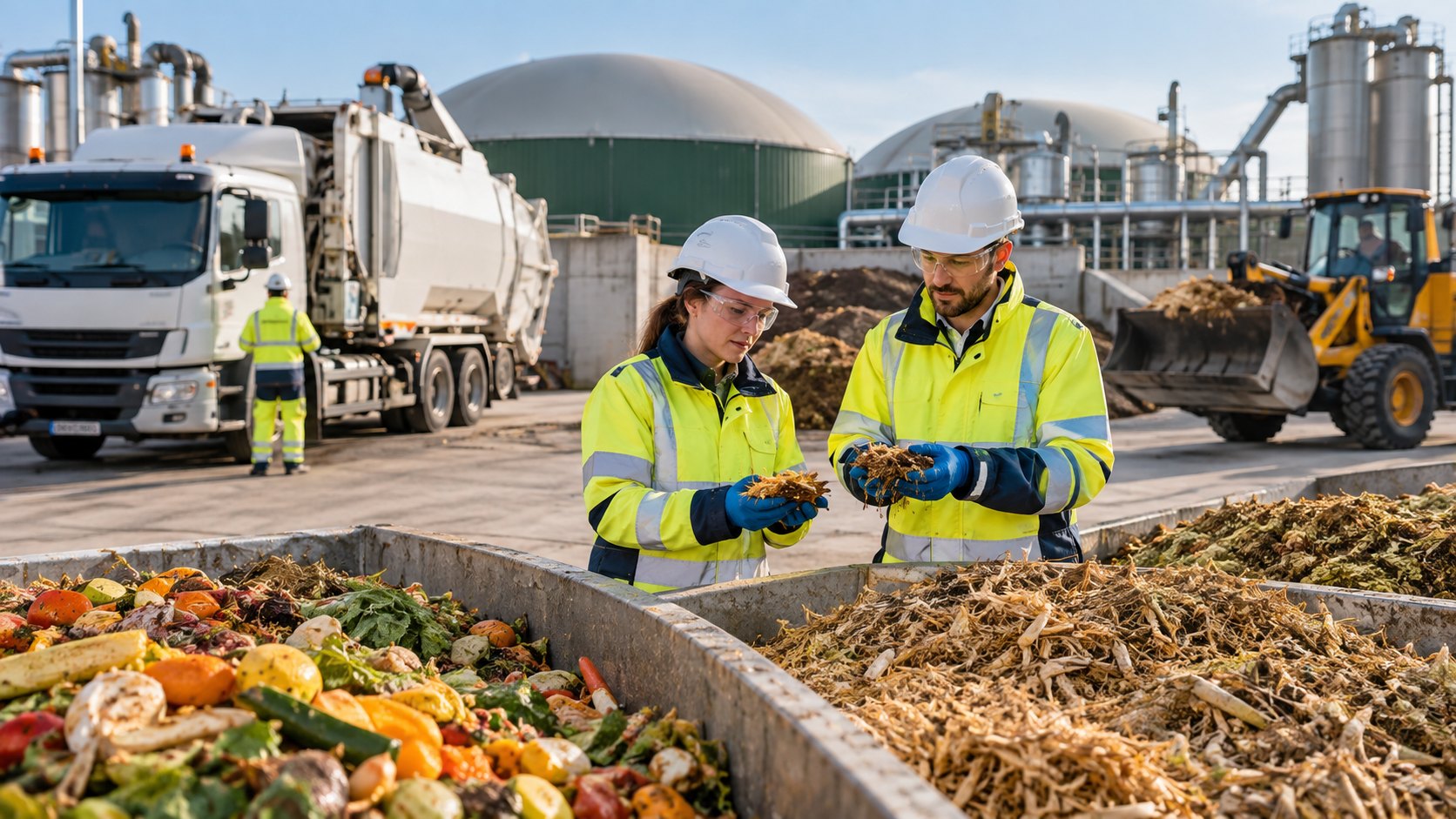
Milling wheat into flour leaves bran and pollard. Crushing oilseed for oil leaves meal and cake. Brewing leaves spent grain, sugar leaves pulp and molasses, rice leaves bran and husk. None of it is human food any longer, and all of it has a price, because an animal will digest what a person will not eat.
This licence line is the trade in that stream. It is not waste disposal and it is not a favour to the milling industry. A by-product with a buyer is an ingredient, and the buyer is a feed mill looking for protein, energy and fibre at the lowest cost per unit it can find. Everything that looks strange about this trade follows from that one sentence — starting with how the goods are priced.
A by-product is priced by what it displaces. Wheat bran is not valued as a share of the flour it came from; it is valued against the maize and soybean meal a mill would otherwise have bought to hit the same protein and energy in a ration. So bran follows the feed market rather than the bakery market, and a trader watching the wrong one buys at the wrong moment. It is the single most useful thing to grasp before taking the licence, and it is why this trade rewards people who can read a ration sheet.
The line covers what the food industry could not use
CZ 116 — Feed by-products and residues
Six families account for most of what moves under this activity.
Cereal milling residues. Wheat bran, pollard and wheat feed; maize gluten feed and germ meal; rice bran and rice husk; broken grain and screenings off the cleaning plant.
Oilseed cakes and meals. What is left after the oil is pressed or extracted from soybean, sunflower, cottonseed, rapeseed, palm kernel, sesame or groundnut. This is the protein backbone of almost every compounded ration, and it is the highest-value part of the stream.
Sugar and starch by-products. Cane and beet molasses, beet pulp, and the residues of potato and maize starch production.
Brewing and distilling residues. Spent grains, distillers' grains, and brewers' yeast.
Fruit and vegetable processing residues. Citrus pulp, tomato pomace, olive pomace, date press cake and surplus dates.
Field and terminal residues. Straw and stover sold as roughage, pulse and legume screenings, and the dust and sweepings a grain terminal collects and sells rather than dumps.
What is not in it
Animal by-products are a different proposition and a more tightly controlled one. Fish meal, meat and bone meal, blood meal, feather meal and poultry offal meal are derived from animals rather than from agricultural material, and the controls that attach to them are animal-health controls. They should never be assumed to travel on the same licence or the same product file.
Finished feed is also outside the line. Baled forage, compounded pellets, coarse mixes and bagged rations sold to a farm, a stable or a camel yard belong to fodder trading, which is the activity immediately beside this one. The boundary is simply who the buyer is. Sell to a factory that will mix your goods into something else, and you are in this line. Sell to whoever owns the animal, and you are in that one. A business that genuinely wants both is asking for two activities, not one broader one.
Further out again sit feed additives and vitamin and mineral premixes, veterinary preparations, pet food, and the waste-collection lines that move material nobody intends to feed to anything. Pelleting or extruding a residue into a branded product is manufacturing rather than trading.
The buyer is a mill, and it buys on analysis
Four kinds of buyer, in descending order of tonnage and ascending order of margin.
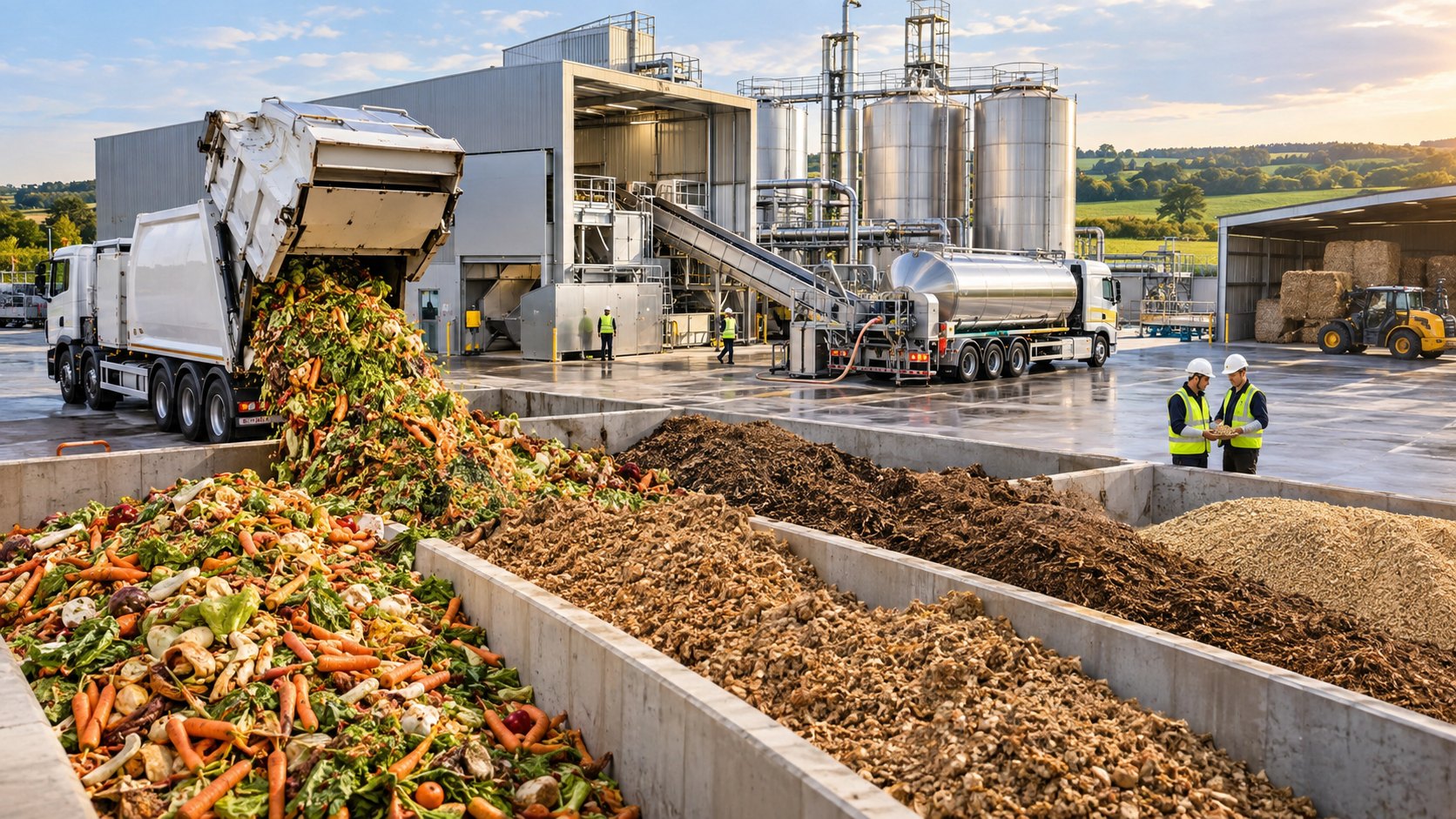
Commercial feed mills and compounders are the core of the market. They buy repeatedly, in volume, against a specification — protein, moisture, fibre, oil, ash, and a contaminant result — and they buy on the laboratory rather than on the sample that was shown to them. Integrated poultry and dairy operations that mix their own rations behave the same way and buy direct. Distributors and agents serving small farms, stables and camel operations take smaller lots at a better margin and more handling. And re-export traders stage cargo through a UAE store for markets around the Gulf and across the water without selling into the local market at all.
What a trader actually owns in this business is a relationship with an origin plant. A mill does not want bran; it wants that mill's bran, from a plant whose output it has already tested, with the lot and the date on the delivery note. Traceability is not paperwork here. It is the product, because the mill's own recipe depends on the next load resembling the last one.
The physical side is unforgiving. These are high-volume, low-value-per-tonne goods, so freight and handling take a large share of the landed cost and one logistics mistake removes the whole margin on a shipment. They also degrade in specific ways. The oil in rice bran turns rancid. Moisture invites mould, and mould means mycotoxins. A bulk load that heats will cake. Which means the store is the business: dry, ventilated, weather-tight, with enough separation between products that one load does not take on the character of the one beside it.
Feed sits inside the food chain, and the conditions follow from that
Feed is the first link in the human food chain, and that is not a slogan. A contaminated consignment of meal does not stay in the feed bag. It reappears weeks later in milk, eggs and meat, with somebody's delivery note attached to it. Every control that attaches to this trade is downstream of that fact.
So the controls sit on the goods, not only on the company. Feed products are cleared on a product basis by the federal authorities responsible for agriculture and food safety, the emirate's food control takes a view on the premises the goods are held in, and the customs authority releases a consignment on the strength of what the product file supports. The substantive questions a buyer or an inspector asks are about mycotoxins — aflatoxin above all, in maize and groundnut material — pesticide residue, and physical contamination carried off a processing line as metal, glass, plastic or string. Adulteration is the commercial risk beside them: a meal sold on protein can be made to read higher than it is, which is exactly why the mill's own laboratory is the gate that decides whether you get paid.
The emirate's economic department
- Trade licence carrying the wholesale activityFirst, and everything else waits behind it
The federal agriculture and food authorities
- Clearance of the feed product itselfPer product, before it can be offered to a mill
- Whether a given consignment may landPer shipment, on top of the product file
The emirate's food control
- Suitability of the store the goods sit inWith the tenancy, not after the first load arrives
The emirate's customs authority
- Release of the cargo at the borderOnce the product file supports it
The mill's own laboratory
- The analysis the buyer will actually pay onEvery load, and it is the only gate nobody licenses
The drawing makes the point better than a paragraph can: two of the six gates sit with the same federal body and neither of them is about your company. They are about the goods, which is why a file can be complete and a container still be held. What each of those bodies asks for on a specific product from a specific origin is the part ConsultZone establishes for the actual case, because it turns on the material and the route rather than on a general rule.
Where the company sits follows the cargo. Goods that clear into the UAE to be sold to UAE mills and farms are a mainland proposition. Cargo that lands, is held and leaves again without entering the local market is the case a free zone warehouse was built for. Most serious traders in this line eventually need both, and that is a structuring question rather than a preference — worth settling before a lease is signed, because storage is the expensive part of this business and it is hard to move once it is fitted.
References
- Ministry of Climate Change and Environment — animal feed, animal health and the federal agriculture framework. Ministry of Climate Change and Environment
- Abu Dhabi Agriculture and Food Safety Authority — agriculture, animal health and food safety control in Abu Dhabi. Abu Dhabi Agriculture and Food Safety Authority
- Dubai Municipality — food control and premises suitability for a store holding feed material in Dubai. Dubai Municipality
- Dubai Customs — import and export, customs codes, restricted and prohibited goods. Dubai Customs
- National Food Security Strategy — the federal policy context for domestic production and feed supply. UAE Government portal
Elsewhere in Trading
Activities that sit beside this one
Most licences carry more than one activity. Adding a neighbouring line at the application stage costs a fraction of amending the licence afterwards.
Begin with a clear conversation
Tell us what you intend to build.
A consultant will map the structure, jurisdiction, approvals and likely cost against what you actually described — not against a package.
