
Activity CZ 121
How to Start a Fish and Meat Wastes Trading Business in Dubai
Fish and meat wastes move to rendering, fishmeal, pet food and fertiliser, and the whole trade is a cold chain. Why the premises are the real barrier, and why a waste stream with a buyer is still waste.
ConsultZone licensing desk
- Activity code
- CZ 121
- Category
- Trading
- Reviewed
- Read
- 7 min
Listen instead
42 seconds
An audio summary of this guide.
Topic summary
How to Start a Fish and Meat Wastes Trading Business in Dubai
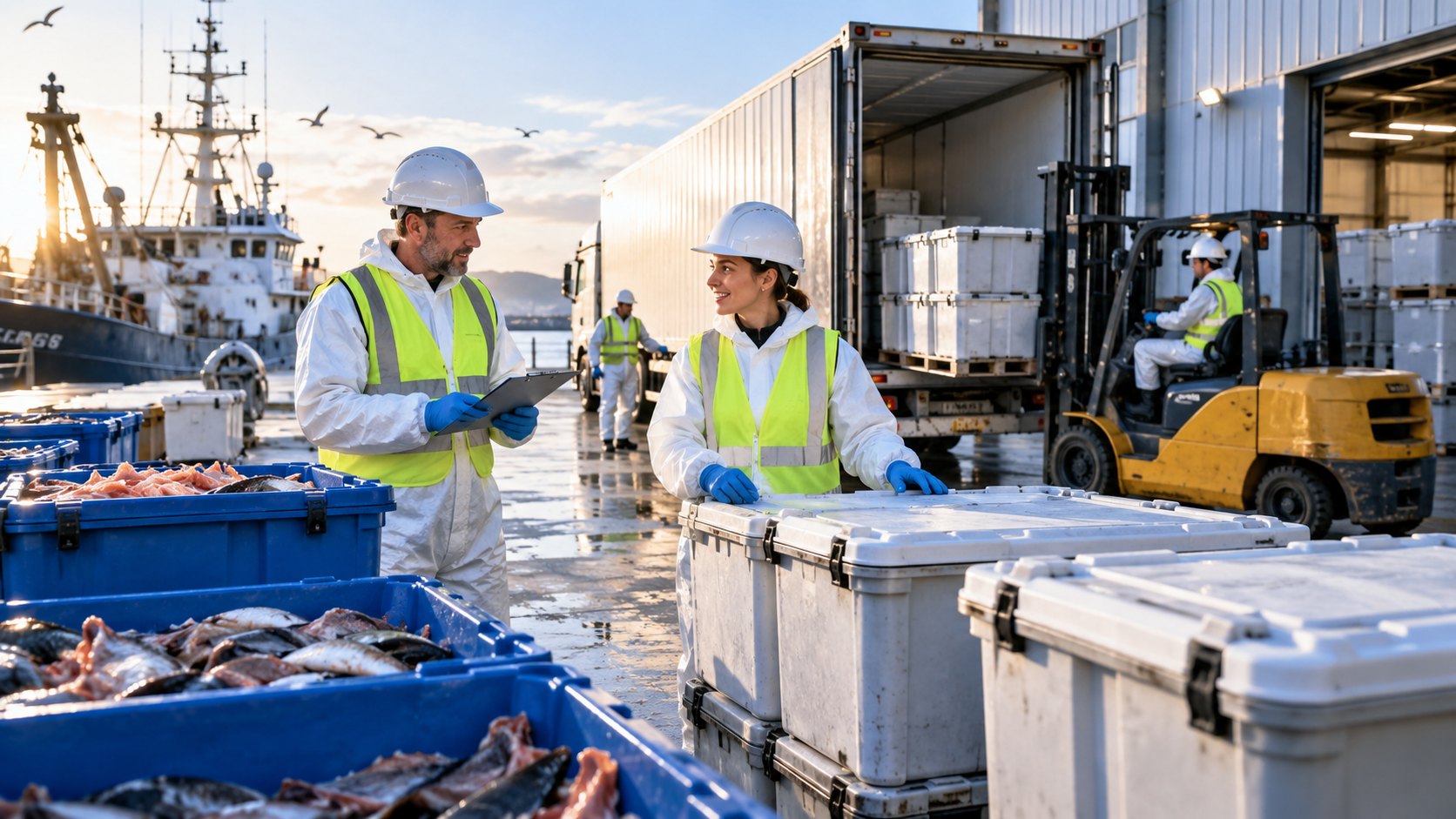
Every other trade in this catalogue gets to think about its goods in weeks. This one thinks in hours. Trimmings, offal, bone, fish frames and viscera begin degrading the moment they are separated from the carcass, and a load that is a valuable protein input at eight in the morning is an odour complaint by late afternoon. The commercial question on this licence is not where to sell the material. It is whether you can get it there in time.
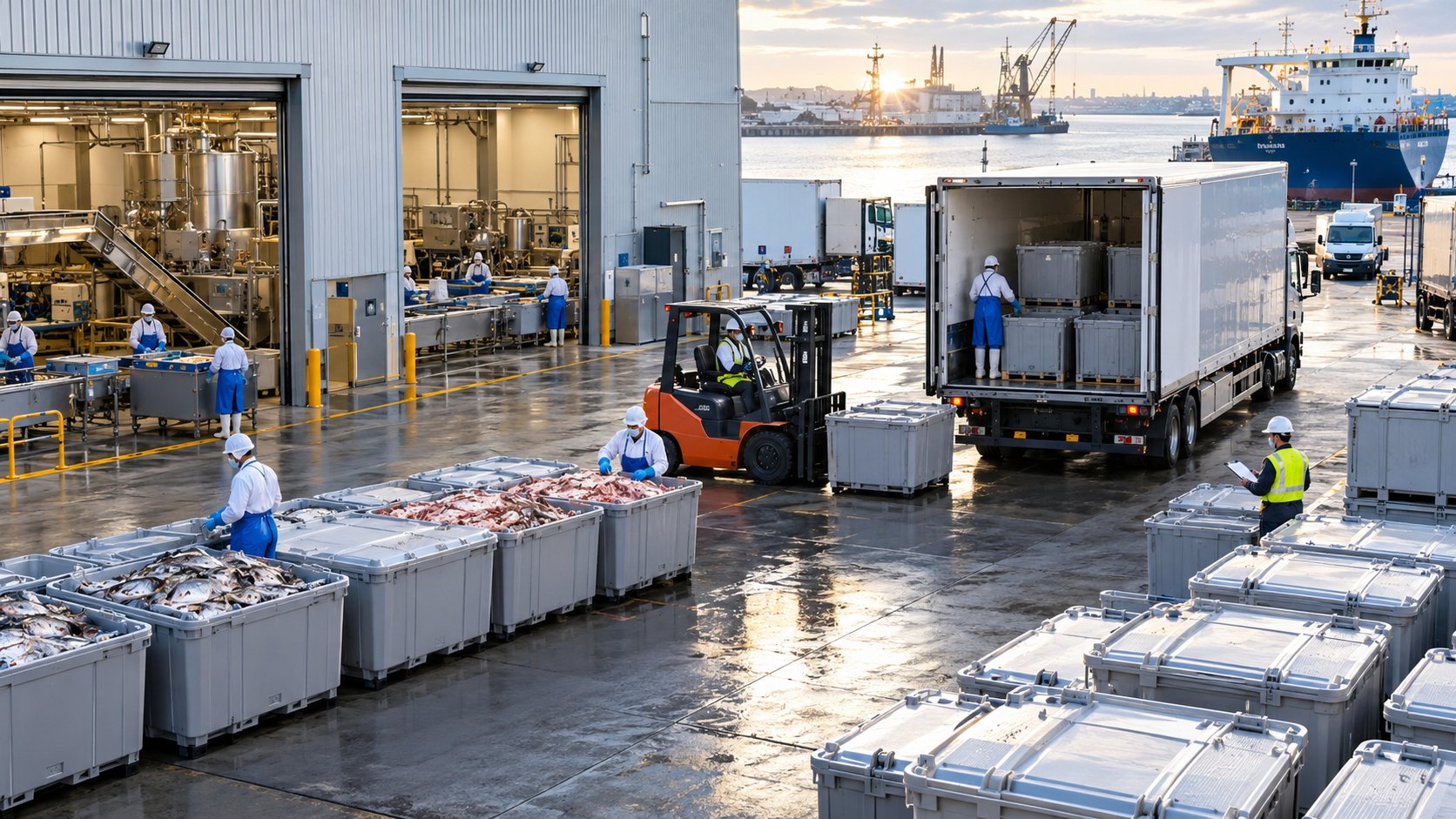
That single constraint explains why the line looks more like a chilled logistics business than a trading one. Two operators can hold the same licence, buy from the same fish market and sell to the same plant, and one of them makes money because the truck is refrigerated, the bins are sealed, the route is short and the washdown happens on site every day. The other one is discovering that a rejected load costs the purchase price, the freight, the disposal and the customer.
Who buys into a trade in material the seller wants gone
The supply side of this business is unusual in that the seller is relieved to see you. Abattoirs, fish markets, processing plants, hotel kitchens and supermarket butcheries all produce this material continuously, all pay to have it removed, and none of them wants it on the premises overnight. That is the opening, and four kinds of buyer take it.
Rendering and fishmeal operators. The natural owner of this licence. A plant with capacity is short of feedstock, and a trading line lets it buy in its own name from many sources rather than waiting for deliveries to arrive. The licence secures supply for an asset that is expensive when idle.
Pet-food and aquafeed manufacturers. Fish frames, trimmings and certain offal are protein and oil inputs. A manufacturer buying raw material directly instead of through a broker takes a real cost out, and gains control of what goes into the product.
Fertiliser and soil-improver producers. Fish waste in particular is a recognised input to organic fertiliser and hydrolysate. Volumes are smaller, the processing is simpler, and the buyer is agricultural rather than industrial.
Collection and logistics operators. Companies that already run chilled or waste-handling fleets and want to buy and sell the material rather than only carry it for a fee. For them the licence converts a service margin into a trading one, using vehicles they already have.
The group to be cautious about is the trader with no vehicle, no yard and no outlet, who has read that the material is nearly free. It is nearly free because handling it is the entire cost. Without a cold chain and approved premises there is no business here — only a liability with a purchase order attached.
CZ 121 — Fish & Meat Wastes Trading
Under this line you buy and sell the residual animal and fish material that food production leaves behind, as raw material rather than as food. Four streams, each with its own discipline.
Meat trimmings and fat. Offcuts, fat and connective tissue from cutting rooms and butcheries. Highest value of the four when it is fresh and kept cold, because it feeds tallow and protein-meal production.
Offal and bone. Organs and skeletal material not sold for human consumption. Heavier, cheaper per tonne, and the stream where sealed handling matters most.
Fish frames, heads and trimmings. What is left after filleting. The classic fishmeal and fish-oil input, and the fastest-spoiling material in the line — a fish waste load left unchilled for a working day is usually finished.
Mixed processing residue. Blood, stick water, washings and sludges from food plants. Lowest value, most tightly conditioned, and the stream most likely to need an environmental view as well as a municipal one before you touch it.
The path from a stream to a load somebody will pay for runs in a fixed order, and getting it out of order is the commonest reason a first contract cannot be honoured.
- Name the stream precisely: trimmings, offal, bone or fish frames
- Find the outlet before the supplier — rendering, fishmeal, pet food or fertiliser
- Will the material hold its value on the journey
- YesSealed ambient collection on a short route to a nearby plant
- NoA chilled or frozen chain, and its cost comes straight off the spread
- Take premises the municipality will approve for handling and holding it
- Fix effluent, odour and washdown before the first collection, not after
- A stream, an outlet, and a site that can lawfully connect the two
Note the order of the first two lines. Most traders look for supply first because supply is easy to find and feels like progress. Supply is not the constraint on this line — an outlet with capacity is, and a signed offtake is what makes a collection contract worth having.
A waste stream with a buyer is still a waste stream
This is the sentence to take away, because it is where the licensing expectation and the commercial reality part company. Finding a paying home for the material changes its economics. It changes nothing about how the authorities see it. The moment it is on your vehicle or in your yard it is animal waste being stored and moved, and the conditions that attach to that are municipal and environmental, not commercial.
In Dubai, premises suitability, food-adjacent public health, effluent and waste handling sit with Dubai Municipality.¹ In Abu Dhabi the animal and food-safety ground is held by the Abu Dhabi Agriculture and Food Safety Authority,² with Environment Agency Abu Dhabi on the environmental permits.³ Federally, the Ministry of Climate Change and Environment is the authority for animal health, fisheries and by-products.⁴ Anything crossing the border meets the customs position on restricted goods before it meets any of them.⁵
What each of those bodies requires depends on the exact streams you intend to carry, the vehicles, and the site — and the answer for Dubai is not the answer for Sharjah. Those are established for the specific waste list and the specific yard before anything is quoted to a supplier. A collection agreement for a stream the company may not hold is the one mistake on this line that is expensive in every direction at once.
What the licence does not cover
Trading the material is not processing it. Cooking, rendering, drying, milling, hydrolysing, extracting oil or producing fishmeal are manufacturing operations with their own activity, their own site, their own emissions conditions and their own approvals. Buying fish frames and selling them to a fishmeal plant sits inside this line. Making the fishmeal does not.
Nor does it reach food. The instant any of this material is intended for human consumption it stops being waste and becomes a food product, with a food trade licence and the whole food-control apparatus behind it. The distinction is the intended destination, and it is not negotiable after the fact.
Three further boundaries catch people. Hazardous waste — clinical, chemical or contaminated material — is a separate licence with a separate environmental approval, and an animal by-product that has been in contact with veterinary medicines or disinfectants can fall into it. Municipal waste collection under contract to an authority is a service concession, not a trade. And trading hides, skins, wool, horn or bone as recovered materials belongs to the neighbouring by-product activities rather than here, which is a boundary worth drawing deliberately: this line is the soft, perishable material, and those lines are the durable material that keeps.
References
- Dubai Municipality — premises suitability, waste handling, effluent and public health conditions for animal and fish waste in Dubai. Dubai Municipality
- Abu Dhabi Agriculture and Food Safety Authority — animal and food safety conditions on by-products and waste streams in Abu Dhabi. Abu Dhabi Agriculture and Food Safety Authority
- Environment Agency Abu Dhabi — environmental permits for waste storage, transport and handling in Abu Dhabi. Environment Agency Abu Dhabi
- Ministry of Climate Change and Environment — the federal authority for animal health, fisheries and animal by-products. Ministry of Climate Change and Environment
- Dubai Customs — import and export of animal and fish by-products, and the restricted and prohibited goods position. Dubai Customs
Elsewhere in Trading
Activities that sit beside this one
Most licences carry more than one activity. Adding a neighbouring line at the application stage costs a fraction of amending the licence afterwards.
Begin with a clear conversation
Tell us what you intend to build.
A consultant will map the structure, jurisdiction, approvals and likely cost against what you actually described — not against a package.
