
Activity CZ 65
How to Start a Safe Transport Vehicles Trading Business in Dubai
Safe transport vehicles are sold to buyers whose own licence depends on what they put on the road, so this trade sells into an approval regime rather than into a preference.
ConsultZone licensing desk
- Activity code
- CZ 65
- Category
- Trading
- Reviewed
- Read
- 6 min
Listen instead
47 seconds
An audio summary of this guide.
Topic summary
How to Start a Safe Transport Vehicles Trading Business in Dubai
Every other vehicle trade sells to a buyer who is free to change their mind. This one does not. A school operator, a clinic, a hospital group, a corporate transport department and a secure-logistics company are each answerable to somebody else for the vehicles they use, because the thing inside the body is a child on a morning run, a patient on a stretcher, a night shift being taken home or a cash consignment. The body exists to protect an occupant, and that single fact turns the sale inside out: the specification is settled first, and the price is discussed afterwards.
It follows that the skill in this line is not persuasion. It is knowing, in detail, what each kind of operator has to satisfy before it can put a vehicle into service, and being able to supply exactly that without argument. A supplier who understands a school's obligations better than the school does will be asked back every year. A supplier who imports what looked like a bargain will find that nobody licensed to carry people can use it.
CZ 65 — Specialized Vehicles For Safe Transport Trading
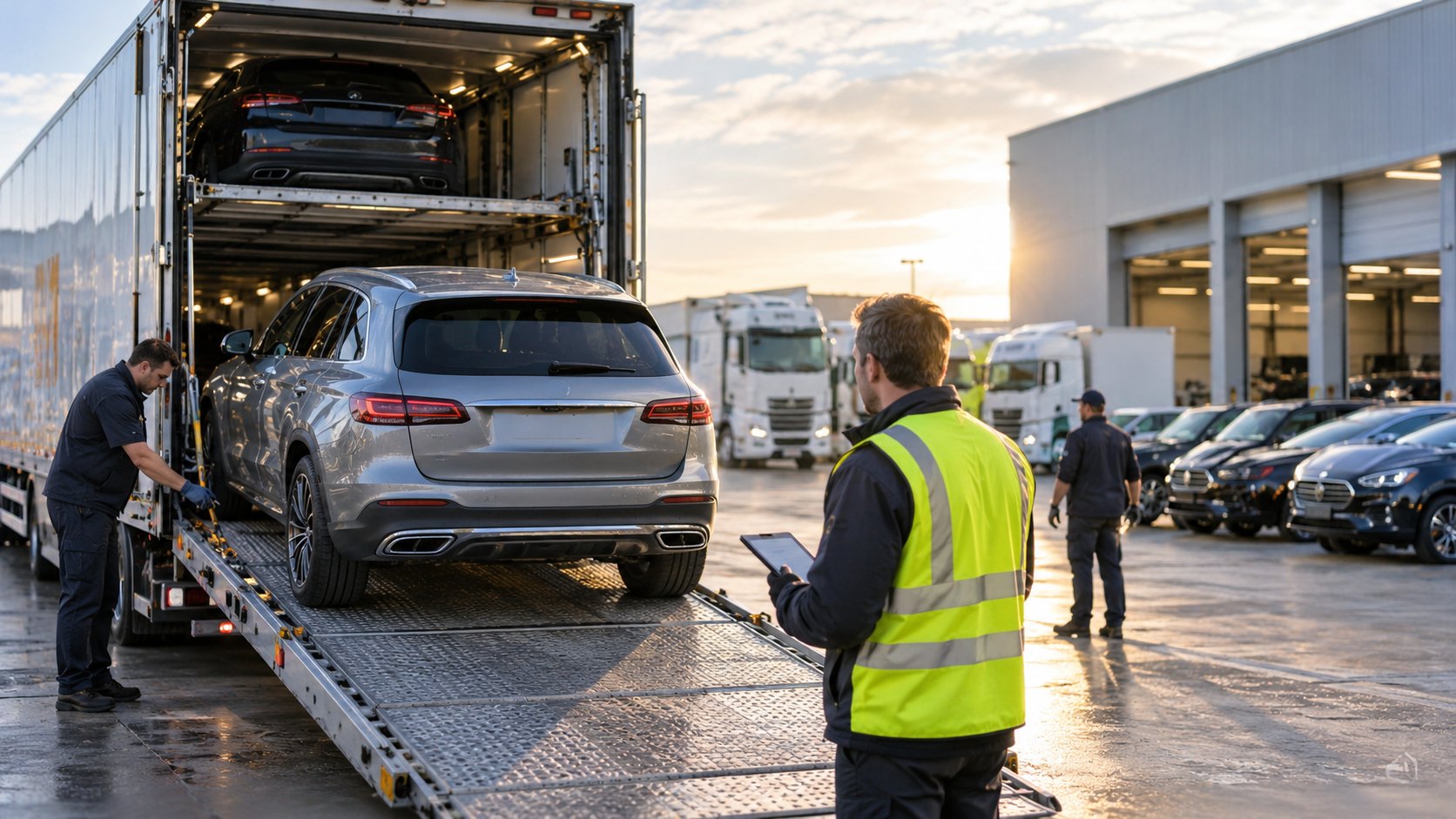
This line covers buying and selling vehicles built or adapted to carry people, or valuables, under a duty of care. In practice the stock falls into four groups.
Student and school transport. Buses and minibuses for schools, nurseries and student transport contractors. This is the largest and most seasonal part of the market, and it is the part where the operator's own obligations are most explicit.
Patient transport. Ambulances and non-emergency patient transport vehicles, bought by health facilities, private ambulance operators and occasionally by large employers. The vehicle and the clinical equipment inside it are two different purchases with two different sets of conditions, which is the most common misunderstanding on this line.
Passenger transport with an accessibility requirement. Vehicles adapted for wheelchair users and passengers with reduced mobility, bought by care providers, transport operators and public bodies. The adaptation, not the vehicle, is what the buyer is really specifying.
Secure transport. Armoured and hardened vehicles for moving cash, valuables and, occasionally, people. Here the buyer's requirement usually comes from its own client or its insurer rather than from a licensing authority, and it is written down just as tightly.
Three routes exist into all four of those groups, and choosing between them decides the shape of the company far more than the choice of goods does.
What it givesWhat it costs
- Supplying finished units from one manufacturerA specification operators already accept, with a warranty behind itOne maker's lead times, prices and allocation
- Buying chassis and having the bodies built hereExactly what the operator's own rules demand, adapted per contractEvery question about whether it complies is now yours to answer
- Trading used safe transport vehiclesThe only realistic route to a buyer with a small budgetBuyers' own age and condition rules can strand the stock
- Holding stock ahead of the school and tender seasonYou can answer a tender in days, which is how tenders are wonCapital parked in vehicles only one kind of buyer wants
- Selling to order against a signed contractNo inventory risk and no ageing stockA thin margin, and the faster supplier takes the enquiry
The marked row is where most of the value in this trade is created and where most of the losses happen, because it moves the responsibility for compliance from a manufacturer onto the supplier. It is the right route for a company with the technical depth to carry that, and the wrong one for a company that simply wants to trade vehicles.
Three neighbouring lines that are not this one
Specialised vehicles trading
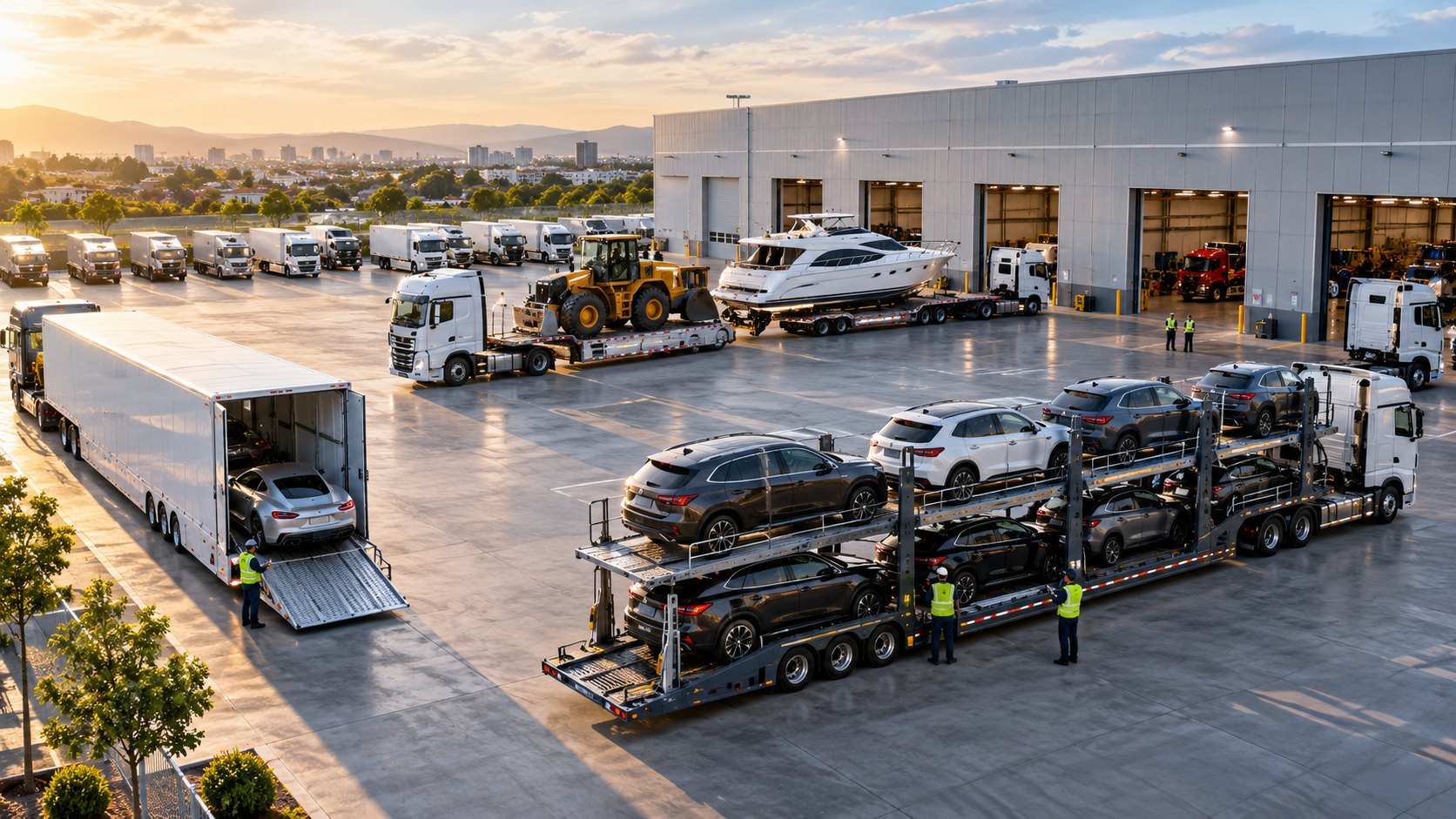
A fuel tanker and an ambulance are both a chassis with a purpose-built body on it, and a catalogue would happily file them together. The difference is who has to answer for the choice. Nobody licenses a contractor for owning a tipper, so that sale is a commercial negotiation about condition and price. A school operator, a clinic and a secure carrier are all accountable for the vehicles they use, so the sale starts from a specification they cannot vary. If the body protects cargo, the specialised vehicles line is the right page. If it protects an occupant, this is.
Operating the transport service
Running the school route, the patient transfer or the cash run is a transport operation, with its own permits, drivers, insurance and supervision. It is a bigger and more regulated business than supplying it, and it is not implied by this activity.
Fitting, conversion and bodybuilding
Cutting and building an ambulance body, installing a wheelchair lift or armouring a vehicle is workshop work. Traders on this line buy the conversion from a builder rather than perform it, and a company that intends to do both holds both activities.
Trading the equipment inside the vehicle
A stretcher, a defibrillator, a monitor or an oxygen system is a health product. Trading those is health-product trade under health-authority conditions, not vehicle trade, and the distinction matters commercially as well as legally: an operator buying an ambulance is usually buying from two suppliers and expects the vehicle supplier to say so plainly.
Who actually succeeds at this, and who should not start
Suppliers who already sell to school operators
Companies with an existing relationship to schools or student transport contractors. The relationship is the asset; the vehicle is almost a commodity. Seasonality is severe and predictable, which rewards anybody willing to plan a year ahead.
Suppliers to clinics, hospital groups and ambulance operators
A slower, more technical sale with fewer buyers and much higher loyalty. Winning one hospital group can carry a company for years, and losing it hurts accordingly.
Corporate fleet suppliers
Staff and labour transport bought by large employers and contractors, where the employer is answerable for how its people are moved. Volumes are good and the buying is professional.
Secure-logistics suppliers
The narrowest market and the most specialised stock. Buyers are few, the requirement is written by their clients and insurers, and the barrier to entry is technical rather than financial.
Who should think again
Anybody attracted to this line because the vehicles look expensive. The margins live in meeting a specification exactly, and a company without the patience for that detail will do better in ordinary vehicle trading, where a buyer is allowed to compromise.
Why the licence fee is the smallest number in the plan
What the licence itself costs is rarely what decides this business. Premises, the working capital that seasonal stock demands, the conversion cost of a properly specified unit and the approvals attaching to a particular category all matter more, and all of them turn on the emirate, the jurisdiction and the buyer being served. We work the real numbers against the actual customer before anything is filed.
References
- Roads and Transport Authority — vehicle permits and passenger transport permits in Dubai. Roads and Transport Authority
- Dubai Health Authority — health facilities and the trade in health products, which is what the clinical equipment inside a patient transport vehicle is. Dubai Health Authority
- Ministry of Health and Prevention — medical devices and health products at federal level. Ministry of Health and Prevention
- UAE Government portal — federal law on child protection and road safety, and the general basis for commercial licensing. UAE Government portal
Elsewhere in Trading
Activities that sit beside this one
Most licences carry more than one activity. Adding a neighbouring line at the application stage costs a fraction of amending the licence afterwards.
Begin with a clear conversation
Tell us what you intend to build.
A consultant will map the structure, jurisdiction, approvals and likely cost against what you actually described — not against a package.
