
Activity CZ 48
How to Start a Machinery Dismantling Business in Dubai
Dismantling is the one construction-adjacent trade where the thing you remove may be worth more than the fee for removing it. Who owns the steel, who carries the site, and how the contract decides both.
ConsultZone licensing desk
- Activity code
- CZ 48
- Category
- Manufacturing
- Reviewed
- Read
- 7 min
Listen instead
47 seconds
An audio summary of this guide.
Topic summary
How to Start a Machinery Dismantling Business in Dubai
A dismantling contract is unusual among the trades that sit beside construction: the thing being taken out is often worth more than the fee for taking it out. A production line that has stopped earning is still several hundred tonnes of machined steel, copper windings, motors, drives, control gear and stainless vessels — and the moment it is unbolted it becomes either an asset somebody resells, a commodity somebody weighs, or a liability somebody has to lawfully dispose of. Which of the three it becomes is settled in the contract, not on the site.
That is the whole business. A dismantling firm is not selling demolition; it is selling a controlled reversal. The plant comes apart in a known order, each part is marked so it can be identified later, the services are isolated and drained, the fabric of the building is left in a condition somebody has written down, and what leaves the gate leaves with a document saying where it is going.
The market for that is decommissioning and relocation. Factories close, leases end, tenants change and owners move plant between emirates or out of the country entirely. Those projects are lumpy, they are scheduled months ahead, and they are almost never won on price alone — because a client shutting down a site is buying certainty about a date and about what is left behind.
The money is in what comes out, not in the day rate
Three contract shapes carry almost all of this work, and they are genuinely different businesses wearing the same overalls.
Under a fee contract the client pays for the labour, the gear and the disposal, and keeps whatever the plant is worth. The margin is priced, known and modest, and it is the only one of the three that does not require valuing an asset before seeing it.
Under a scrap-share contract the fee is reduced or waived and the contractor keeps what comes off the site. Here the upside is real — a good survey against a poor one is the difference between a profitable month and a loss — and so is the exposure, because metal prices move between the tender and the last load, and the contractor is the one holding the position.
Under an asset purchase the contractor buys the plant where it stands and removes it as owner, either to resell as working equipment or to break for material. That is the highest ceiling on the list and it is a trading business with a dismantling capability attached, not the other way round.
For a new entrant the fee contract is the right place to start, and the reason is not caution for its own sake. Pricing the other two requires a track record of surveys that turned out to be right, and that record can only be built on jobs where a wrong survey does not sink the company.
one job, three contracts, judged on the same five rows
| Judged on | Paid a fee | Paid in scrap | Buying the plant |
|---|---|---|---|
| You are paid whether or not the plant holds value | Yes | No | No |
| You own the material that leaves the site | No | Yes | Yes |
| A better-than-expected asset improves your margin | No | Yes | Yes |
| A survey that reads the plant wrongly costs the client | Yes | Partial | No |
| Capital is committed before the first invoice | Limited | Yes | Yes |
Working capital follows directly from that table. Mobilisation, access equipment, cutting and lifting gear, waste transfer and a crew are all spent before any material is sold, and a scrap-share job can run for weeks with nothing coming in. Demobilisation is the cost most often left out of a first tender: clearing the yard, making good the floor and the walls, and proving the site is empty are all work, and they happen after the interesting part is finished.
CZ 48 — Dismantling Large-Scale Machinery And Equipment
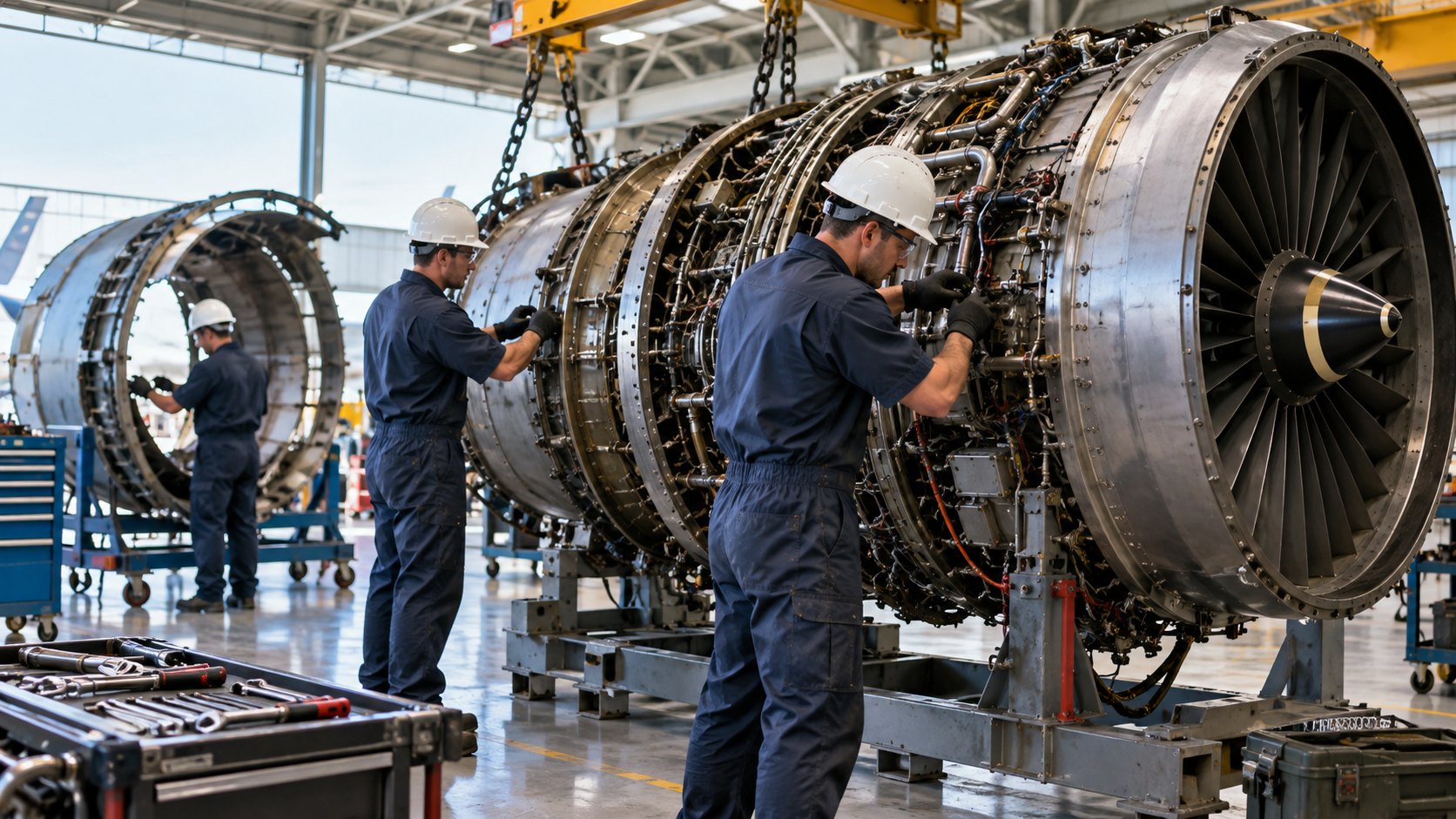
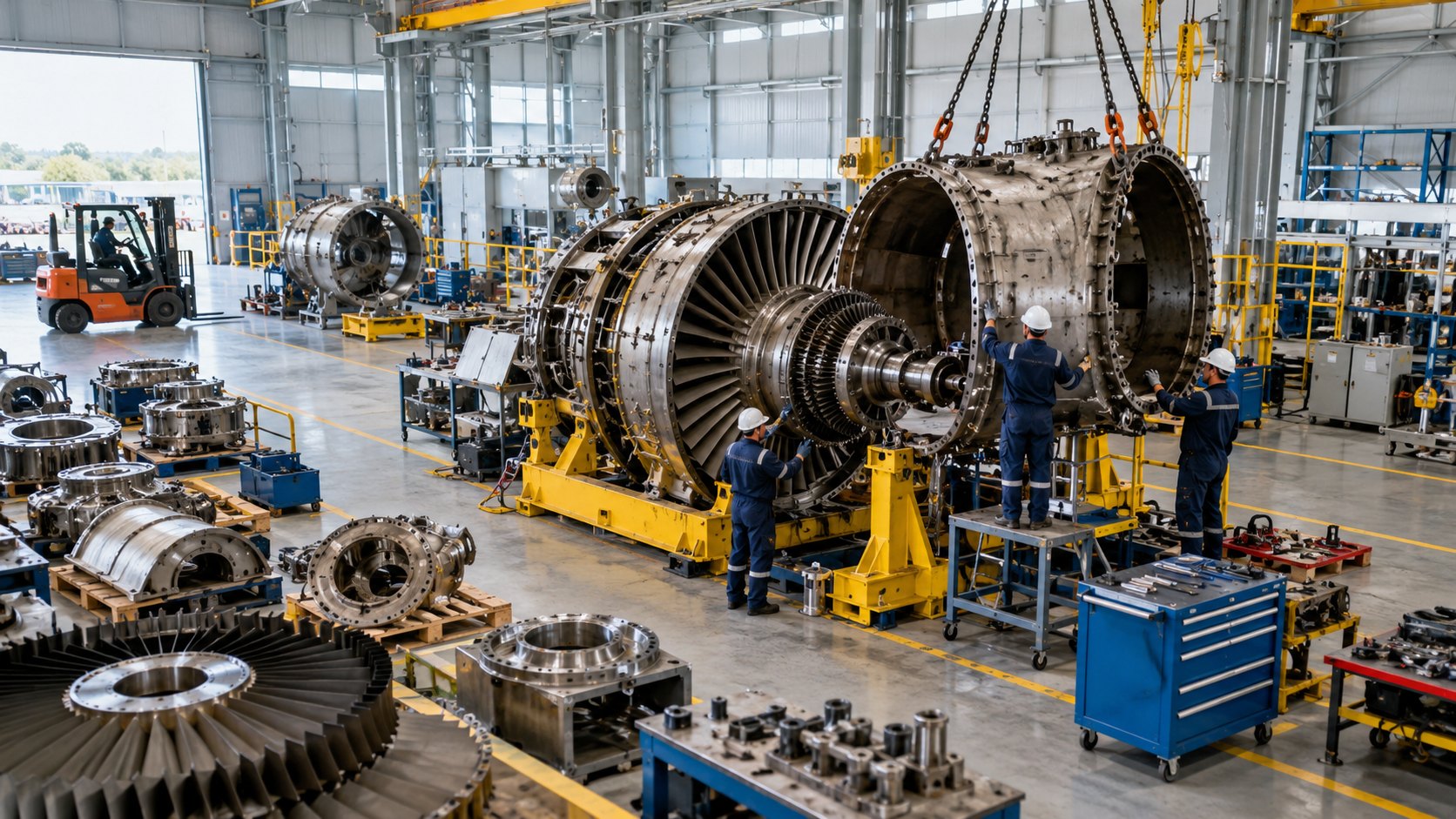
This activity covers taking plant out and breaking it down. In practice that means production and process lines, presses, mills, furnaces, generators, chillers and air handling plant, tanks and pressure vessels, conveyors, gantry cranes, silos, and the pipework, ducting, cable and control gear that tie them together. The work is surveying the plant, planning the sequence, isolating and draining the services, cutting or unbolting to transportable modules, marking and packing them, and clearing the site.
Decommissioning
The plant is not going to run again. The question is disposal: what is reusable, what is a commodity, and what is controlled material that has a required route out. The deliverable is an empty, safe site and a paper trail for everything that left it.
Relocation
The same plant is going to run somewhere else, and that changes the job from the first bolt. Every module has to come apart in a way that goes back together, which means marking, match-marking, protecting machined faces, keeping fasteners with their assemblies and photographing what a drawing does not show. A relocation dismantled as a decommissioning arrives at the new site as an expensive pile.
Where this line stops
Taking the building down is demolition contracting, a different activity with its own approvals. Buying and selling the metal that results is trading. Hauling waste is a transport and waste activity. And the lift itself — getting a fifty-tonne press off its plinth and through a door built after it — is machine rigging, which is its own entry on the catalogue. A dismantling firm that also rigs holds two activities, not one broadly worded one, and the firm that puts the plant back in at the far end holds a third: industrial equipment installation. Read as a supply chain, rigging lifts, this line removes, and installation commissions — and the same relocation project frequently buys all three from three different companies.
What attaches to the job rather than to the licence
The licence lets the company contract for dismantling work. Almost everything that then governs a particular job attaches to the machine and the site rather than to the company, which is why two jobs under one licence can face completely different conditions.
What is inside the plant decides most of it. Refrigerant in a chiller, oil in a transformer or a gearbox, fuel and sludge in a tank, insulation that may contain asbestos, batteries, lamps, catalyst, process residues and — on a small number of industrial gauges — a sealed radioactive source are each controlled material with a lawful disposal route, and the environmental authority for the emirate is the body concerned: Dubai Municipality in Dubai, the Environment Agency in Abu Dhabi. Where flammable or hazardous material is stored or handled during the works, Dubai Civil Defence is the fire-safety authority in Dubai. Moving the modules out on public roads brings the Roads and Transport Authority into it once a load stops being an ordinary one. If the plant is leaving the country, it is an export and passes through Dubai Customs like any other cargo.
None of that is a checklist that can be written once and reused, and a firm that treats it as one will be wrong on its second job. The controlled materials in a given plant are established by survey; which authority applies depends on the emirate; and the conditions attached differ between them. The honest sequence is to survey first, establish the disposal routes second, and price third — and to have the applicable approvals confirmed for the specific site and the specific plant before a removal date is given to a client who has already told a landlord when the building will be empty.
References
- Dubai Municipality — waste control, premises and public-health conditions for works carried out in Dubai. Dubai Municipality
- Environment Agency Abu Dhabi — environmental permits for works carried out in Abu Dhabi. Environment Agency Abu Dhabi
- Dubai Civil Defence — fire safety and the handling and storage of hazardous and flammable material. Dubai Civil Defence
- Roads and Transport Authority — vehicle and transport permits in Dubai, including loads that are not ordinary. Roads and Transport Authority
- Dubai Customs — export of plant and equipment leaving the country, and restricted goods. Dubai Customs
Elsewhere in Manufacturing
Activities that sit beside this one
Most licences carry more than one activity. Adding a neighbouring line at the application stage costs a fraction of amending the licence afterwards.
Begin with a clear conversation
Tell us what you intend to build.
A consultant will map the structure, jurisdiction, approvals and likely cost against what you actually described — not against a package.
